
Maricopa, AZ · Garage Door Service
What Drives Garage Door Repair Costs in Maricopa
Garage door repair costs in Maricopa depend on door age, spring type, and triple-digit heat cycling. See what 1960s-90s homes here actually need and why.
- Repairs & new doors
- Springs & openers
- Serving 3 nearby communities
The Cost of This Job
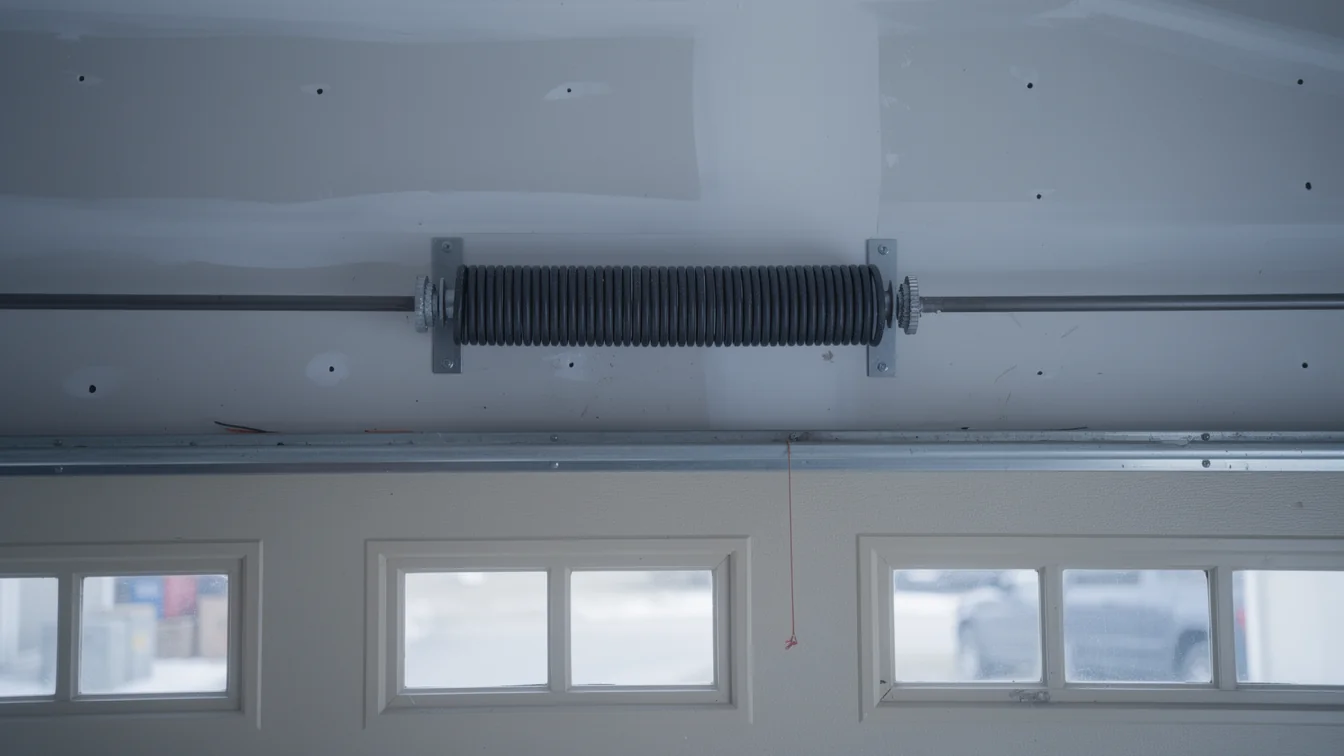
We don't post a flat number here because the honest answer is that it depends on what's on your house, and in Maricopa that varies more than people expect. A torsion spring job on a door from the early part of the 1960-1993 build range costs differently than one on an opener installed in the last ten years, mostly because older torsion drums and shafts aren't a size you find on the shelf anymore. Double doors cost more in parts than single doors, full stop, and a broken cable almost always means we're replacing both cables on that side, not just the snapped one.
What we can tell you without seeing the door: if your opener's circuit board has already cooked once in the heat, replacing just the capacitor is cheaper than a new unit, but only if the motor housing itself didn't warp. We'll quote it after we look at the door, not before, because guessing a price over the phone on 30-year-old hardware just means we're wrong in one direction or the other. That's not a dodge - it's the same reason a mechanic won't quote a timing belt job sight unseen.
The Situation
The service area runs about 9,477 households, with 7,941 of those owner-occupied houses - that's the stock this business actually works on, not condos or rentals with a management company fielding the call. Most of those houses were built between 1960 and 1993, with the median landing around 1990, which puts a big share of the original garage door hardware at 30 to 60 years old right now. Original springs, original rollers, in some cases the original opener motor still running on the same capacitor it shipped with.
This isn't dense suburb-to-suburb driving either. Stanfield sits about 11 miles out, Sacaton about 14, Sun Lakes about 14 - spread-out desert country, which matters when a part has to come from a supplier instead of sitting on our truck. Median household income here is $63,545, and that number shows up in how people decide between a repair and a full door swap: a lot of owners want the door fixed once, correctly, rather than nickel-and-dimed twice. That's a reasonable instinct on hardware this old.
How Local Conditions Play In
Maricopa sits in a severe-heat climate band, and that's the actual driver of most of the failures we see - not cold. Steel springs don't like heat cycling any more than they like cold; a spring that sits at 115 degrees in a closed garage all afternoon and then cools overnight is going through the same kind of metal fatigue as one that freezes and thaws, just from the other direction. On houses from the 1960-1993 range, those springs have been doing that cycle for decades.
Heat is also what kills openers out here before age does. Circuit boards in garages that regularly hit triple digits fail at the capacitor and the logic board well before the motor itself gives out, and plastic photo-eye sensor housings get brittle and crack from UV and heat long before the sensor's electronics quit. Lubricant on rollers and hinges breaks down faster in sustained heat too, which is why a track that's fine in spring starts binding by August. None of this is about a cold snap - there isn't one here that matters for this kind of failure.
Where People Go Wrong
The biggest mistake we see is an owner applying advice meant for a cooler climate - the idea that a spring "goes" because of a cold night. That's not the failure pattern here. In a severe-heat area, the spring and the opener board are degrading from sustained high temperature and daily heat cycling, which means the warning signs look different: a door that's noisy by midsummer, an opener that trips its breaker on hot afternoons, a photo-eye lens that's gone cloudy and brittle.
The second mistake is assuming all the 1980s-90s houses in the three main pockets of this area have the same hardware just because they're the same age. They don't - a house built early in that run and one built near 1990 often got different opener brands and different spring gauges even on the same street. We won't guess which one you have from a description over the phone. One real limit on our end: if a part is genuinely obsolete and nobody stocks it, replacement beats a repair we can't actually source, and we'll tell you that instead of stalling.
Frequently asked questions
Why do my springs keep failing in the heat instead of lasting longer?
Steel fatigues from repeated heat cycling the same way it does from cold - expand in the afternoon sun, contract overnight, repeat for years. In a severe-heat area like this, that cycle happens daily for months at a time, which is harder on an old spring than most owners realize.
Is my opener old enough to be a fire risk in the heat?
We don't make that call without seeing the unit and the wiring. What we do see often is capacitors and logic boards failing from sustained heat before the motor itself wears out, especially on units that match the 1960-1993 housing stock in this area.
Should I repair or replace an original door from this era?
Depends on what's actually broken and whether parts for it still exist. If the track and drum are a discontinued size, replacement usually costs less than hunting down obsolete hardware. We'll tell you which situation you're in after we look at it, not before.
Do you service Stanfield or Sacaton too?
We're not going to claim coverage we can't back up here. Stanfield is about 11 miles out and Sacaton about 14 - check with us directly about your specific address before assuming.
Related garage door services in Maricopa
More garage door guides
Book garage door service in Maricopa
Call now or request a quote - tell us what the door is doing and where you are.